According to iGaming Business, the following account is based on its reporting; these assertions are attributed to that source.
Editorial opinion: Spain’s reported payment-holder matching requirement puts a practical question at the centre of online gambling account access: should a player have to show that every payment method is held in their own name? The answer may appear straightforward, but the transition period and reported withdrawal restriction make the details consequential for both customers and operators.
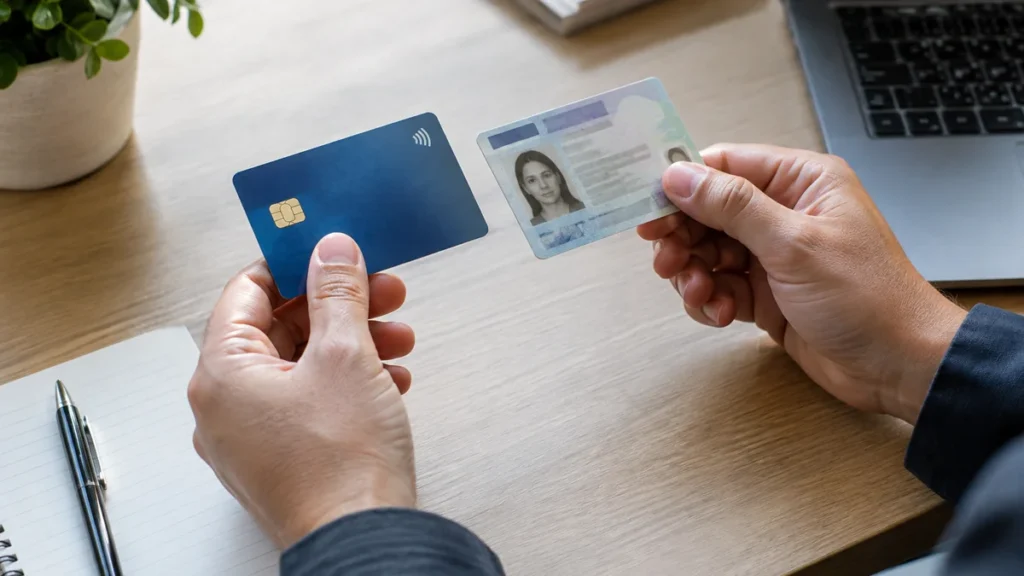
According to reporting by iGaming Business, the requirement took effect on 28 October 2026 under Royal Decree 813/2026. The report says licensed online gambling operators in Spain must verify that the player and the holder of each payment method are the same person. It also says existing customers have until 28 April 2027 to complete the check, and that existing players cannot withdraw winnings until verification is complete. Those are claims attributed to one industry-media report, not independently confirmed here.
What the matching requirement means
As described by iGaming Business, the check concerns the identity of the player and the holder of each payment method used with the account. It is not enough, under that description, to consider only whether an account belongs to a registered player: the operator must also check that the payment method’s holder is that same person. The available report does not specify which types of payment methods are covered, what evidence operators are expected to accept, or how a mismatch is to be resolved.
That distinction matters because a rule can be clear in principle while leaving important practical questions open. A customer could want to know what information to provide, how a check is completed, and what happens if a payment method cannot be verified. The single report cited here does not answer those questions. It would be unwise to treat assumptions about particular documents, payment products, or operator procedures as established details of the Spanish requirement.
The existing-customer deadline
For customers who already have accounts, the date given in the report is 28 April 2027. That is the reported deadline for completing the check. The interval between the rule taking effect on 28 October 2026 and that date provides a transition period, but the reporting does not explain how individual operators will communicate the requirement or how customers should handle a payment method that does not match their account details.
In my view, a deadline is useful only when the steps required to meet it are understandable. Clear instructions should distinguish what a customer must do from what an operator must verify, explain how to raise a problem, and make the timing of any restriction easy to find. These are standards to aim for, not claims about what Spanish operators have already put in place. The cited coverage does not establish how implementation has proceeded.
Why the withdrawal detail deserves attention
iGaming Business reports that existing players cannot withdraw winnings until the payment-holder check is complete. That makes the verification more than an administrative step: as reported, it can affect access to winnings during the transition. The report does not set out further conditions, exceptions, or a process for challenging a failed or delayed check, so those details should not be inferred.

My view is that any identity check connected to access to funds calls for especially direct communication. Customers need to know, before a problem arises, what the check concerns, what action is expected of them, and what the reported restriction means in their particular circumstances. That is a general test of good communication, not evidence that a specific operator has failed to explain its process. Nor does the available reporting tell us how often checks might be delayed or how long a resolution could take.
The policy case and the questions it leaves
One possible argument for matching a player to the holder of a payment method is that connecting the account and its payment method to the same person could help limit misuse of someone else’s payment details. That is a possible policy rationale, not a stated explanation in the coverage available here. iGaming Business reports the requirement, but the cited material does not independently establish the government’s reasoning or provide primary-source corroboration.
The countervailing questions are also important. A verification rule can raise concerns about the amount of personal information a customer must provide, how clearly the information is handled, and whether a person with an unusual payment arrangement can complete the check. These are questions for scrutiny, not findings about Spain’s system. The evidence supplied here does not describe data handling, permitted payment arrangements, or any safeguards, so a responsible account cannot claim that those issues have been settled one way or the other.
The strongest case for the requirement would depend not just on the matching principle but on how it is applied: whether instructions are clear, whether customers can correct an error, and whether the process is proportionate to the check being performed. The strongest concerns likewise depend on implementation rather than speculation. Without more detailed evidence, it is not possible to judge how well the rule balances its intended purpose, customer access, and privacy.
What is known—and what remains unconfirmed
The account of the rule in this article rests on iGaming Business. The report says the requirement under Royal Decree 813/2026 took effect on 28 October 2026, describes the player-and-payment-holder match, gives existing customers until 28 April 2027, and reports a restriction on withdrawals until the check is complete. These points should be read with that attribution in mind.
The available coverage is a single secondary source. It does not independently establish subsequent implementation and does not provide primary-source corroboration. In particular, it leaves unanswered what payment methods are covered, what verification procedure operators use, what happens when a check cannot be completed, and whether exceptions exist. Those gaps are not reasons to assume either that the rule will be unworkable or that every practical concern has been resolved.
For now, the most careful reading is also the most useful one: the reported rule sets a matching requirement, a deadline for existing customers, and a reported consequence for withdrawals before verification is complete. The next meaningful assessment depends on evidence about how those provisions are implemented and explained. Until that is available, debate should distinguish the reported requirements from questions and opinions about their effects.